
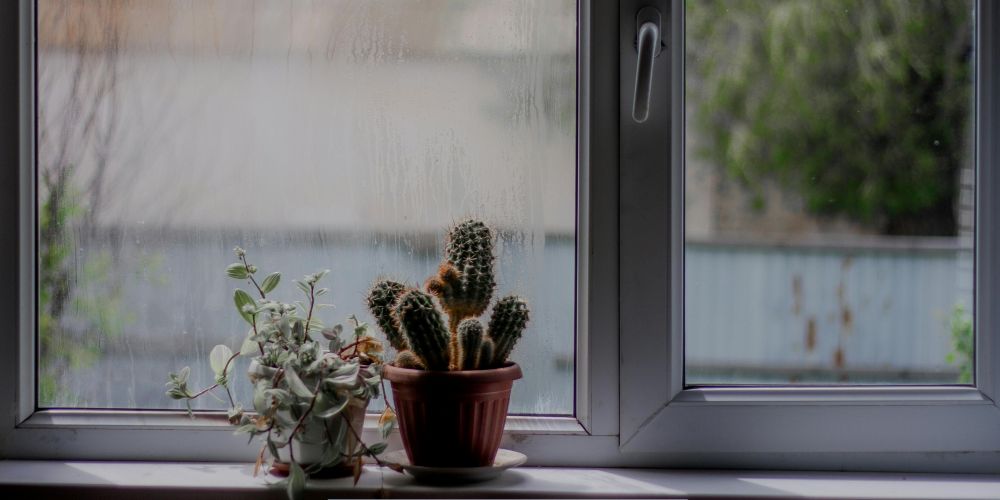
If you are researching replacement windows in Springfield, MO, condensation on the glass may leave you wondering whether your windows are performing as they should. Moisture can appear on the inside, outside, or even between panes of glass, and each location can point to something different. Understanding what you are seeing is the first step toward deciding whether changes to indoor humidity, improved ventilation, or new windows may be appropriate.
At Lifemark Bath & Home / Window Depot of the Ozarks, we help homeowners look beyond the visible moisture and consider how the entire window system affects comfort, insulation, airflow, and energy performance. Condensation does not automatically mean a window needs to be replaced. However, its location, frequency, and connection to other performance concerns can provide useful clues about the condition of your windows.
What Window Condensation Actually Means
Window condensation forms when moisture in the air encounters a surface cool enough for water vapor to become liquid droplets. Interior condensation often appears when warm, humid indoor air meets colder glass during cooler weather.
The amount of moisture can be influenced by indoor humidity, outdoor temperatures, ventilation, and the insulating performance of the window. Occasional moisture during certain weather conditions is different from persistent condensation that repeatedly collects on the glass or surrounding surfaces.
That distinction matters. Instead of assuming every fogged window signals the same problem, we first consider where the moisture is appearing. Condensation on the room-facing glass, on the exterior surface, and between insulated panes can have very different causes.
Interior and Exterior Moisture Tell Different Stories
Condensation on the interior surface usually relates to a combination of indoor humidity and glass temperature. Everyday activities such as cooking, bathing, and running household appliances can add moisture to indoor air. If the glass becomes sufficiently cold, that moisture may collect on the surface.
Good airflow can play an important role in managing indoor moisture. Our guide to improving your home’s ventilation with replacement windows explains how operable window styles can support fresh-air circulation when conditions allow.
Exterior condensation is different. Moisture forming on the outdoor side of efficient glass can occur when that exterior surface becomes cooler than the surrounding air. Therefore, outside condensation by itself does not necessarily indicate poor window performance.
Why Condensation Between Panes Matters
Moisture between panes deserves closer attention because homeowners cannot simply wipe it from either surface. Modern insulated windows use multiple panes separated by a sealed space. When that sealed glass assembly no longer performs as intended, moisture can enter the space and create persistent fogging or condensation.
The U.S. Department of Energy identifies condensation or fogging between layers of insulated glass as an indicator of insulated glass unit seal failure. In addition to obstructing the view, this condition can signal that the window is no longer delivering the insulating performance originally expected.
If several older windows show similar fogging, it may be useful to evaluate their overall condition rather than viewing each cloudy pane as an isolated cosmetic issue.
When New Windows Can Reduce Condensation Concerns
Replacement becomes worth considering when condensation appears alongside other signs of declining window performance, such as uncomfortable drafts, difficult operation, noticeable temperature differences near the glass, or persistent fogging between panes.
Our professional window replacement and installation services include ProVia window options designed with energy-efficient features such as multiple panes, low-E glass technology, and insulating gas fills. These features help reduce heat transfer through the window and can keep interior glass surfaces warmer during cold conditions.
A warmer interior glass surface can lower the likelihood of condensation when indoor humidity is appropriately managed. Modern window technology can also improve overall comfort, making rooms feel more consistent throughout changing seasons.
Look at the Whole Window, Not Just the Moisture
Condensation should be evaluated as one part of the bigger picture. We recommend considering the age of the windows, how easily they operate, whether drafts are present, whether the glass stays clear between panes, and how comfortable nearby rooms feel.
Professional installation is equally important because even a quality window needs to be properly fitted, sealed, and insulated to perform effectively. Our experienced in-house team handles installations rather than passing projects to subcontractors, giving us greater control over workmanship from selection through completion.
By looking at glass performance, frame condition, installation, ventilation, and household comfort together, we can determine whether newer windows could provide meaningful benefits beyond simply reducing visible moisture.
Window condensation can tell us a great deal about indoor humidity, glass temperature, insulated glass performance, and the overall condition of a window system. While occasional surface moisture does not automatically point to replacement, recurring fogging between panes or condensation combined with drafts and comfort problems deserves a closer look. At Lifemark Bath & Home / Window Depot of the Ozarks, our experienced home improvement team can help you evaluate the signs and choose an appropriate solution for your home. If you are considering replacement windows in Springfield, MO, call (417) 881-5433 to schedule a consultation and explore window options designed to improve comfort, clarity, and year-round performance.
